2021-2022
Filmmaking takes shape
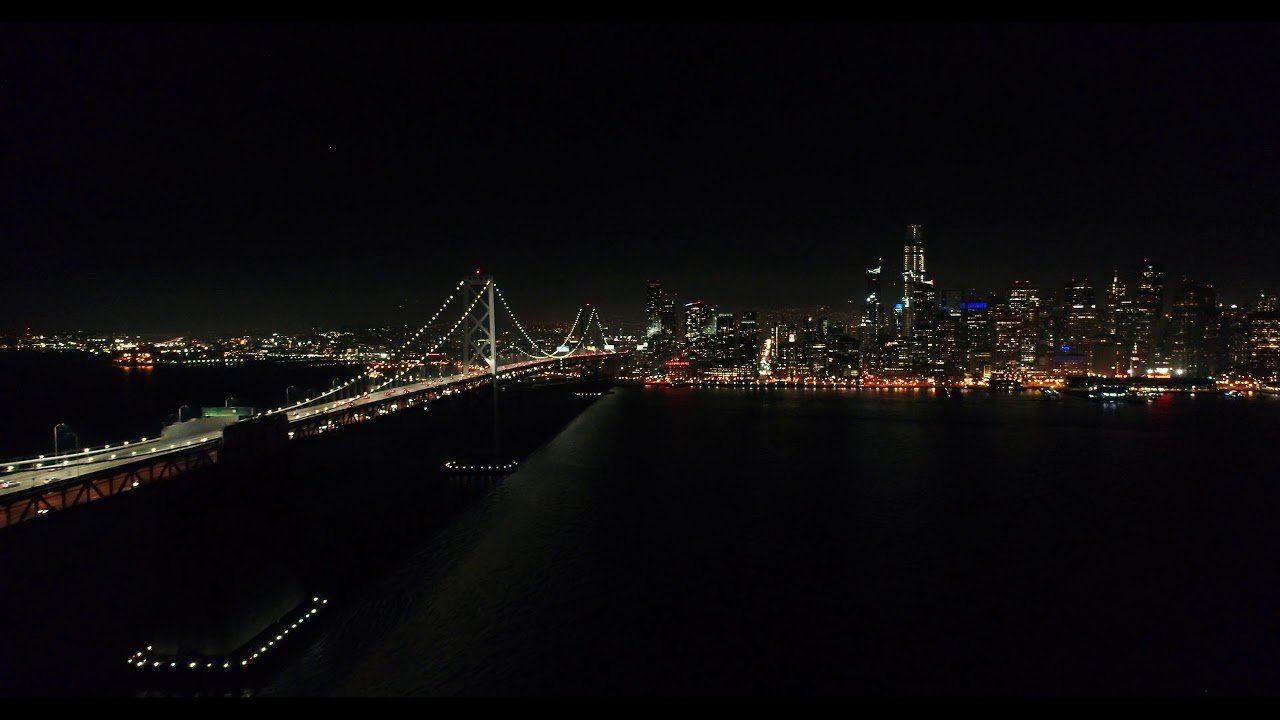
The early project plan documents development and filmmaking around San Francisco and Oakland. The films and portraits became a foundation for the work that followed.
 Donate
A LYRICAL OPPOSITION PROJECT / BAY AREA
Home. Memory. What we carry forward.
A long-term exploration of displacement, cultural memory, neighborhood change, and what communities choose to create in response.
San Francisco Bay Area / A living project
01 / Why this work exists
Re-Entrification began with a camera pointed toward a housing crisis. It became a way of listening to the people, memories, relationships, and cultures that make a place home.
Through film, art, screenings, conversations, exhibitions, and community storytelling, the project documents how Bay Area neighborhoods change and asks what should be carried forward.
What are we losing? What should we preserve? And what should we create in its place?
The framework
For this project, Re-Entrification is a framework for examining investment, disinvestment, displacement, return, redevelopment, cultural change, and reclamation.
Its early vision centered on returning to a neighborhood and reclaiming the relationships and culture that displacement puts at risk. Today, that question opens into others: who gets to remain, who preserves a place’s memory, and what forms of belonging can communities create?
A concept guiding this project, shaped by the people and places within it.
An archival voice / Kirk Davis
“Re-Entrification means being able to move back into communities and neighborhoods that a person is originally from. It’s the way to bring back its history, beauty, struggle, pain - the soul. Re-Entrification is to create and reclaim sustainable economic structures that allow people living in the neighborhoods to thrive within their own neighborhood; to recapture the native essence of that place.”Kirk Davis
02 / The foundational work
Documentary filmmaking remains at the heart of Re-Entrification: a way to listen closely, make room for lived experience, and carry those stories into public conversation.

These experiences became the foundation for a larger project about home, displacement, and the right to remain connected to a place.
Watch the official trailer
The original project credits, preserved as published.
Fego Navarro
Director
Desire Lacap
Director of Photography/Editor
Desire Vigil
Writer/Ohlone Tribal Monitor
Sineo
Music Supervisor/Writer/Narrator
Sami Freeman
Music Composer
Cross Allan Price-Bustos
Producer
Shannon Price-Bustos
Producer
Kirk Davis
Executive Producer
Jake Medcalf
Executive Producer
Felix Uribe, Jr.
Videographer
Behold, Creators
Videographer
Bryan Flores
Videographer
Daniel Lopez
Videographer
Aaron Garrette
Videographer
Dan Johanson
Videographer
Bijan Sharifi
Post-Production Audio Engineer
Tongo Martin-Eisen
Poet
Porsche Veu
Poet
Aleja Ajela
Poet
Lacy Nguyen
Poet
Stephanie Franco
Poet
Desiree Vigil
Interviewee
Kirk Davis
Interviewee
Jimmie Fails
Interviewee
Jamal Hanes
Interviewee
Tim Gomes
Interviewee
Brandi Taliano
Interviewee
Ana Ordonez
Interviewee
Darlene Hagen
Interviewee
Brandi Taliano
Interviewee
Ana Ordonez
Interviewee
Demetrius Wilkerson
Interviewee
03 / People of Re-Entrification
The faces within the film carry experiences that no housing statistic can hold on its own. This portrait archive keeps those people at the center of the project.
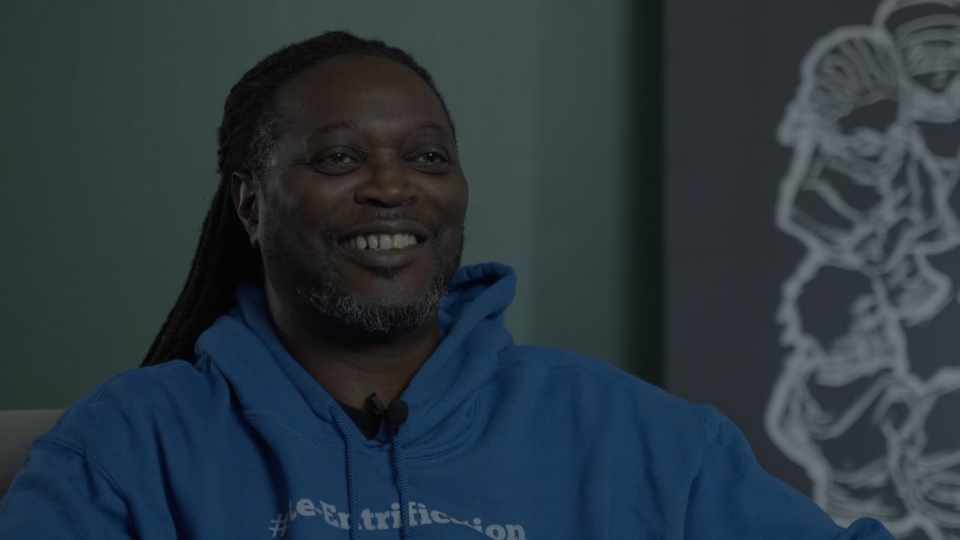

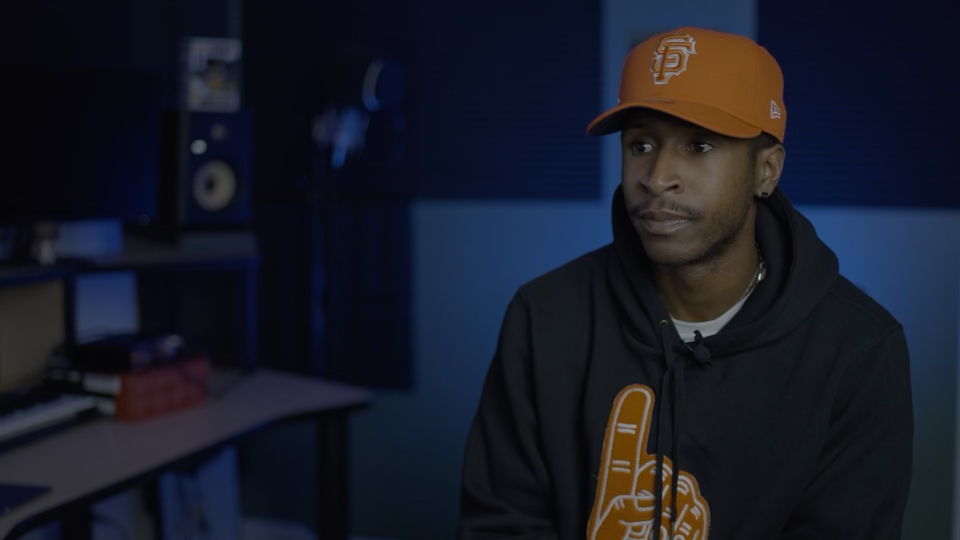
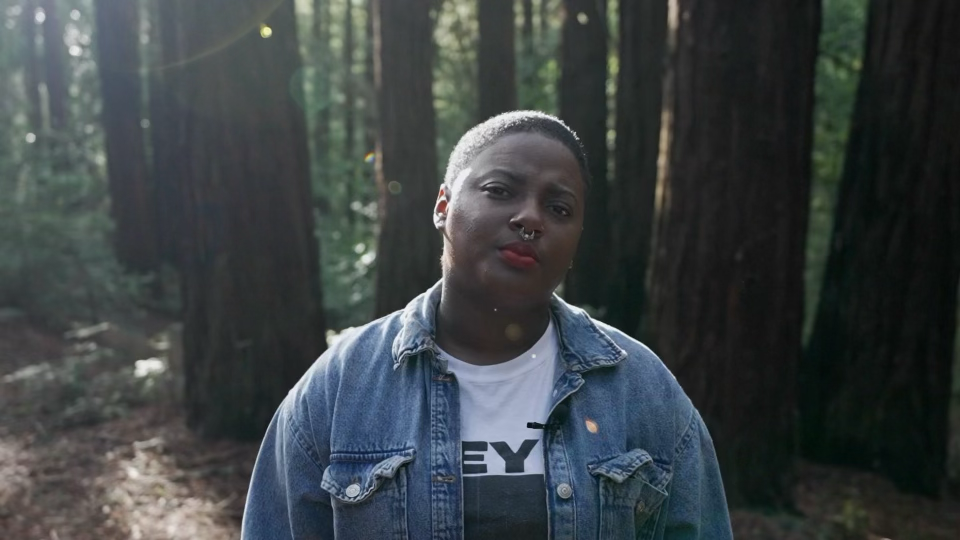
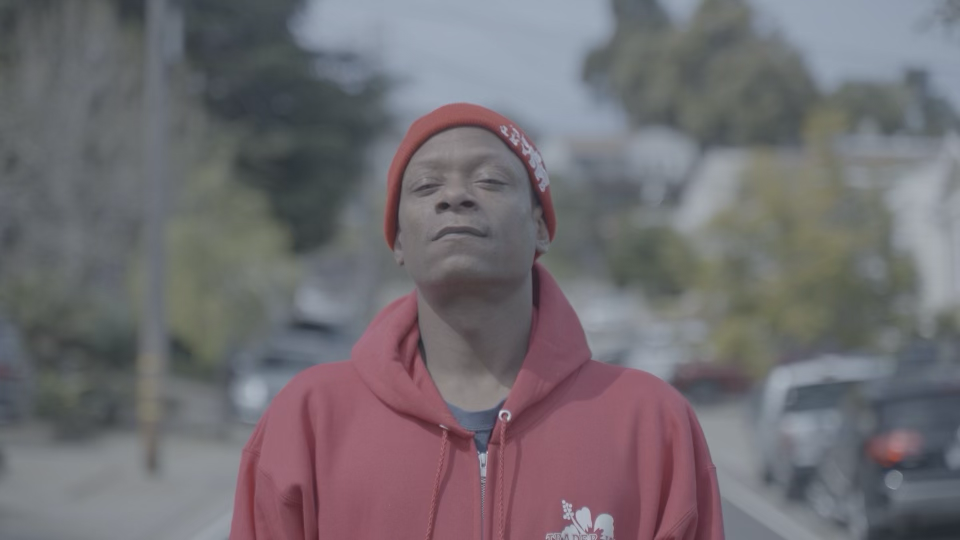
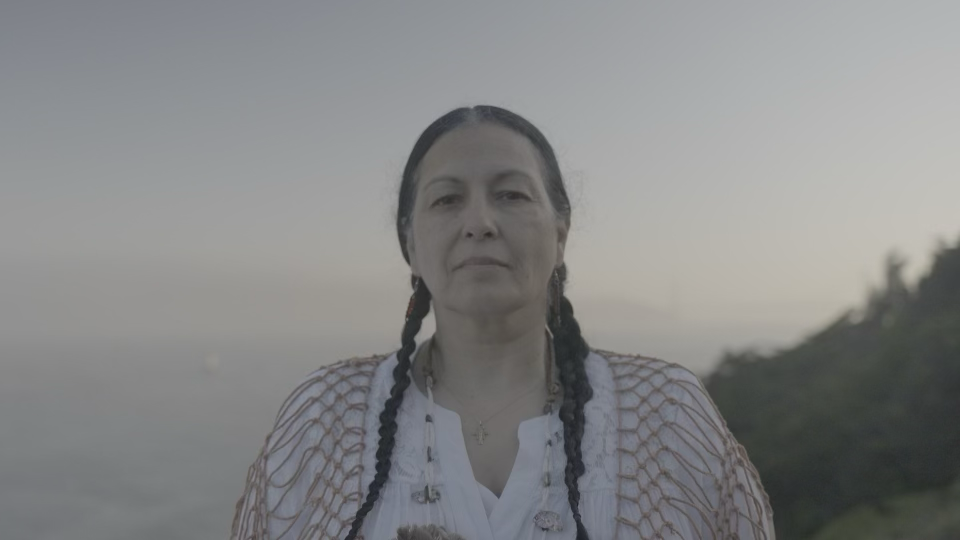
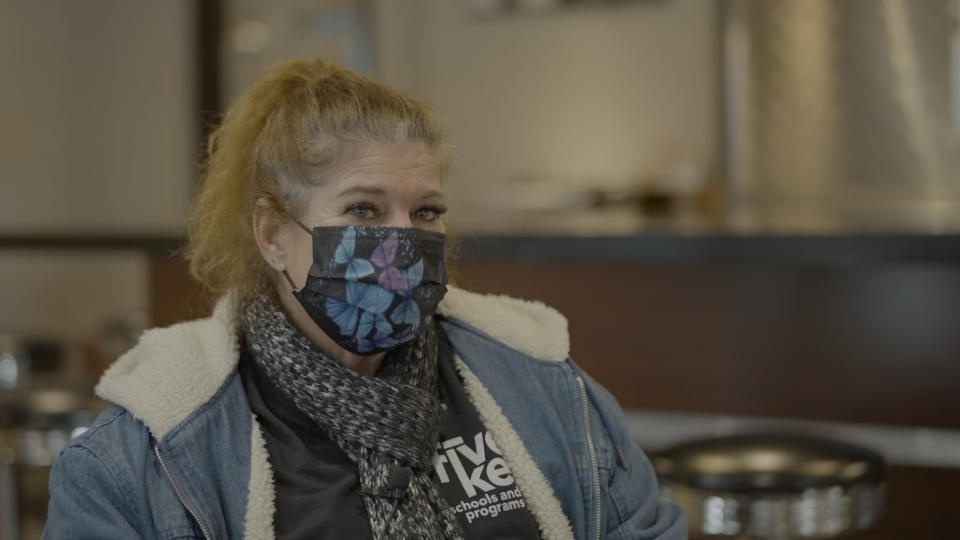

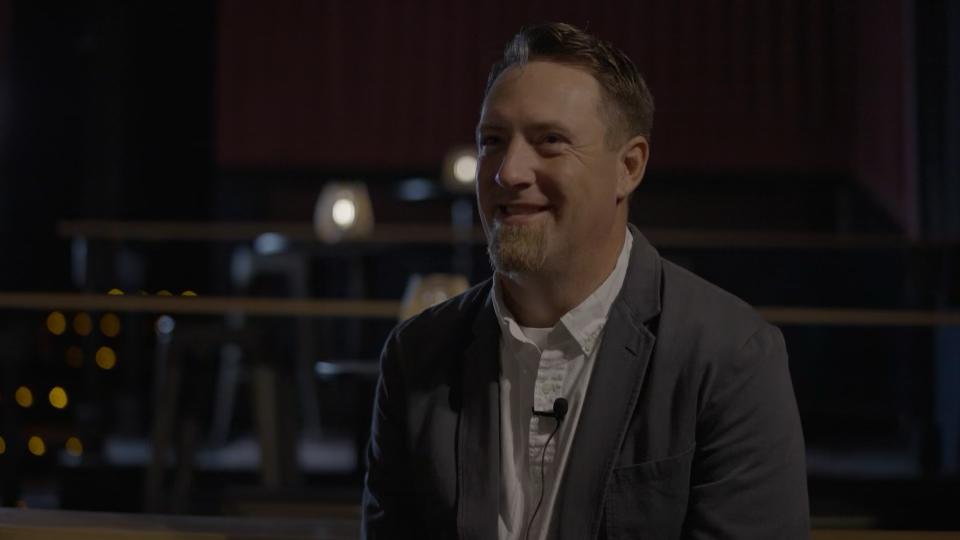
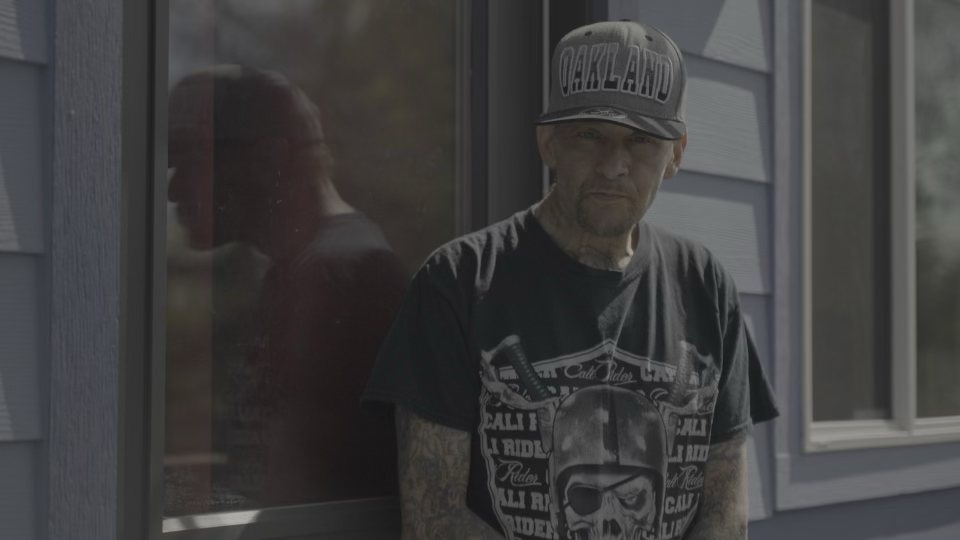

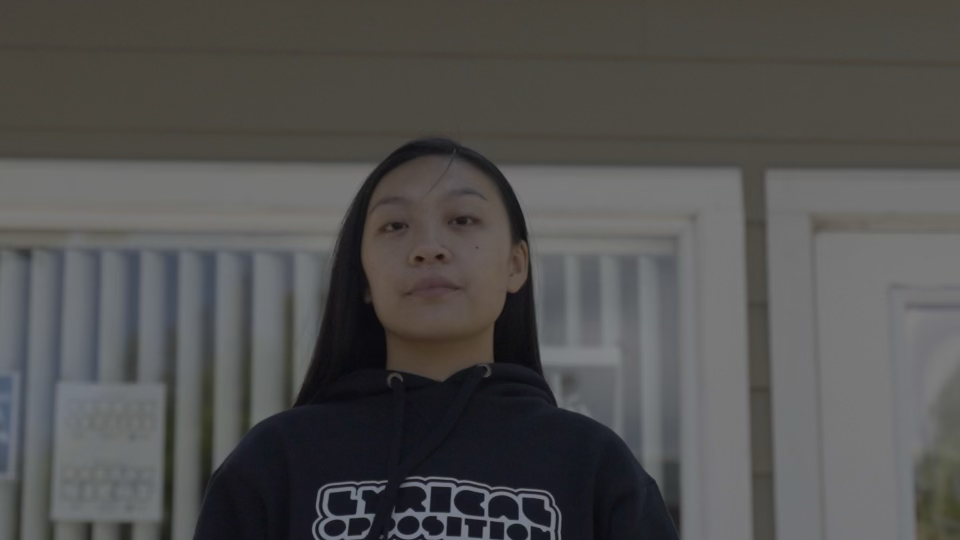
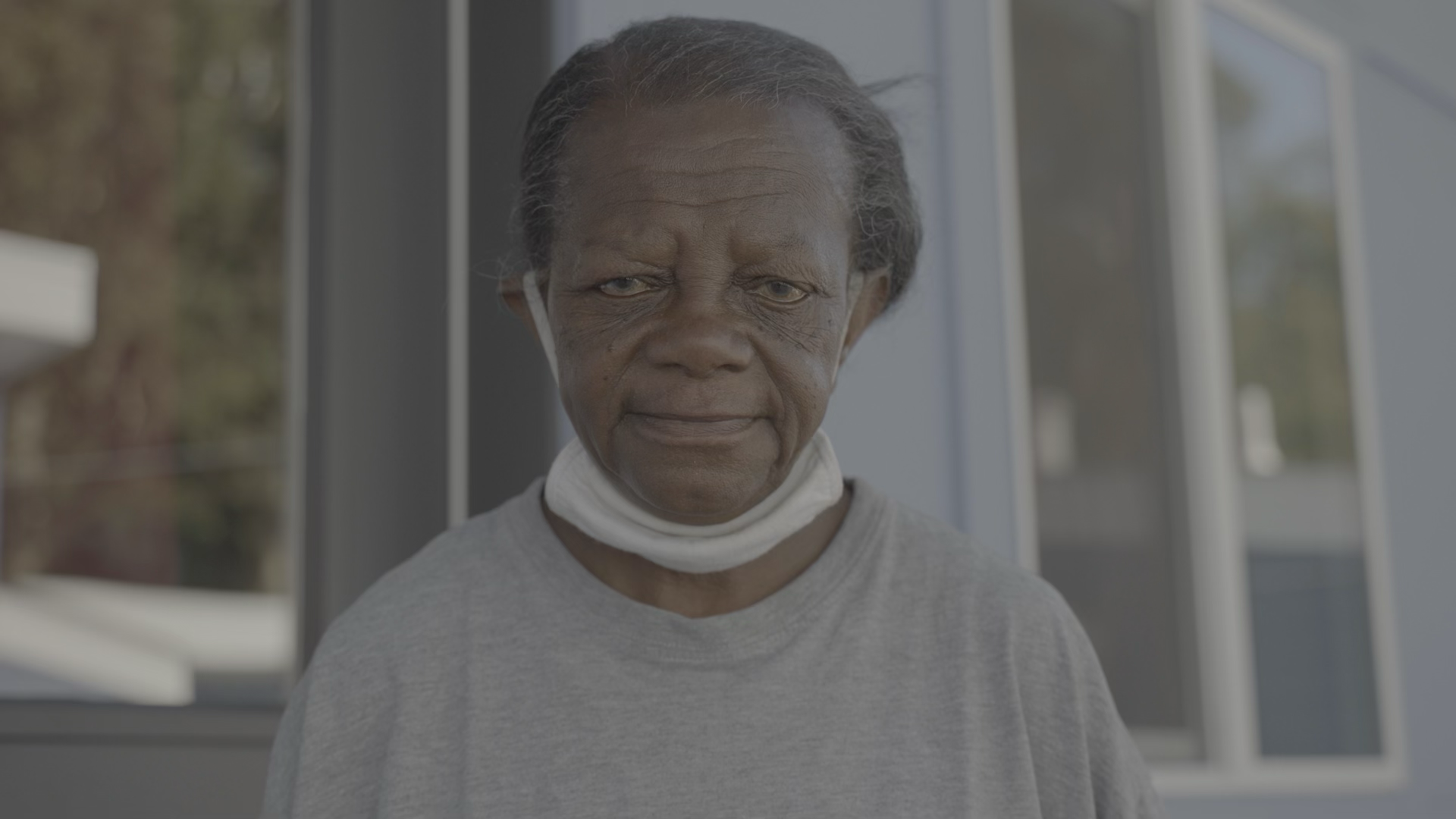


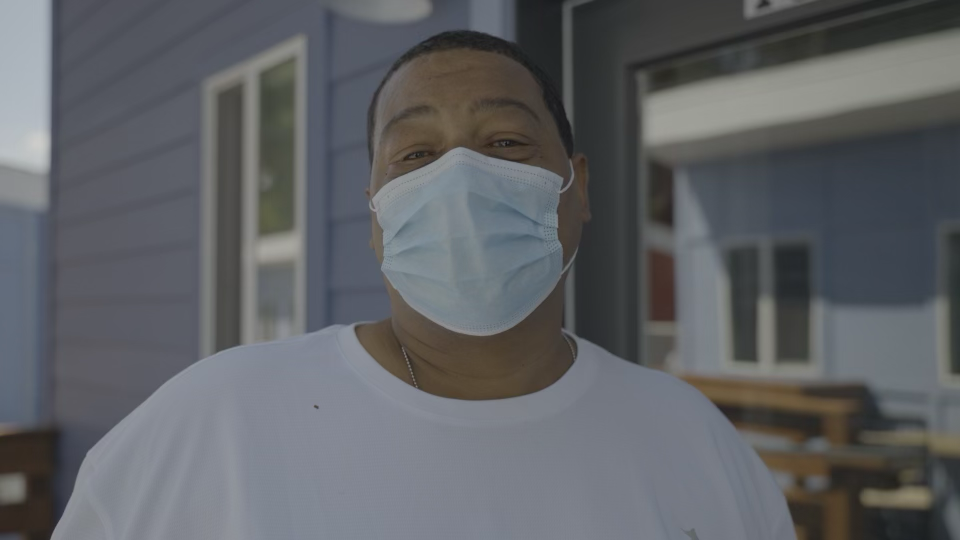
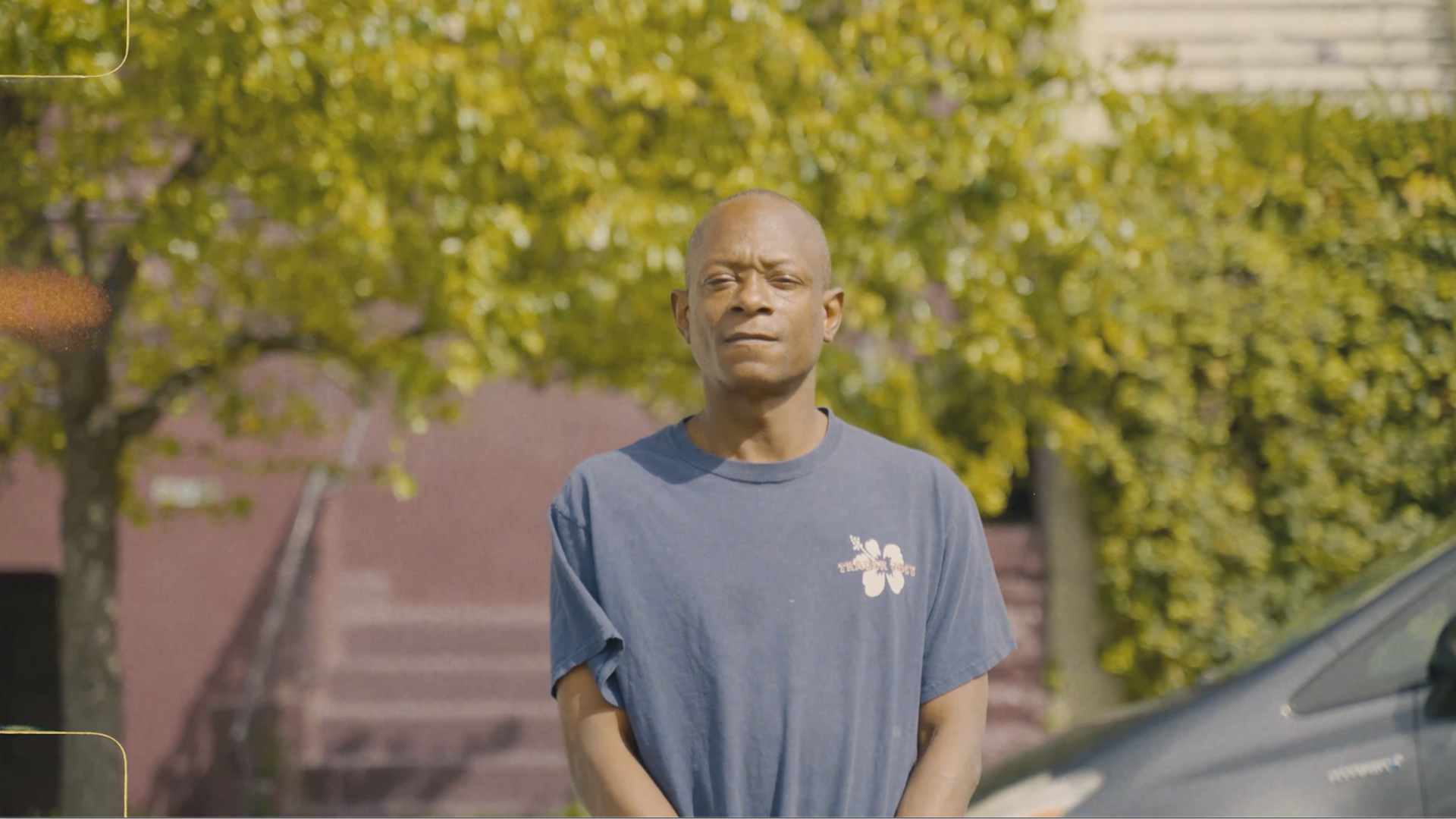
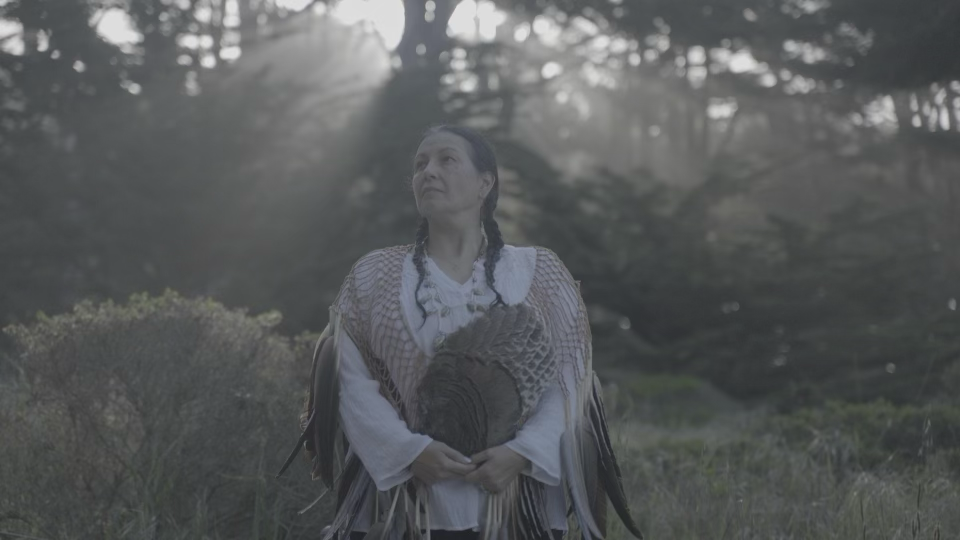
Portraits from the Re-Entrification documentary archive. Names and stories will be connected as individual identifications are verified.
04 / From screen to community
The film became a reason for people to gather.
Screenings, Q&As, performances, educational experiences, and conversations bring the project into community spaces. A screening is more than distribution: the questions people bring, and what happens afterward, are part of Re-Entrification.
The work has continued through exhibitions, including the Re-Entrification art exhibition at Lyrical Opposition’s January 2026 Tanforan Open House in San Bruno.
Read the exhibition story ↗05 / Films + screenings
The official trailer, screening documentation, recaps, and creative-process conversations from the existing project archive.
Where the project has traveled
Venues and educational settings represented in the project’s screening and presentation history.

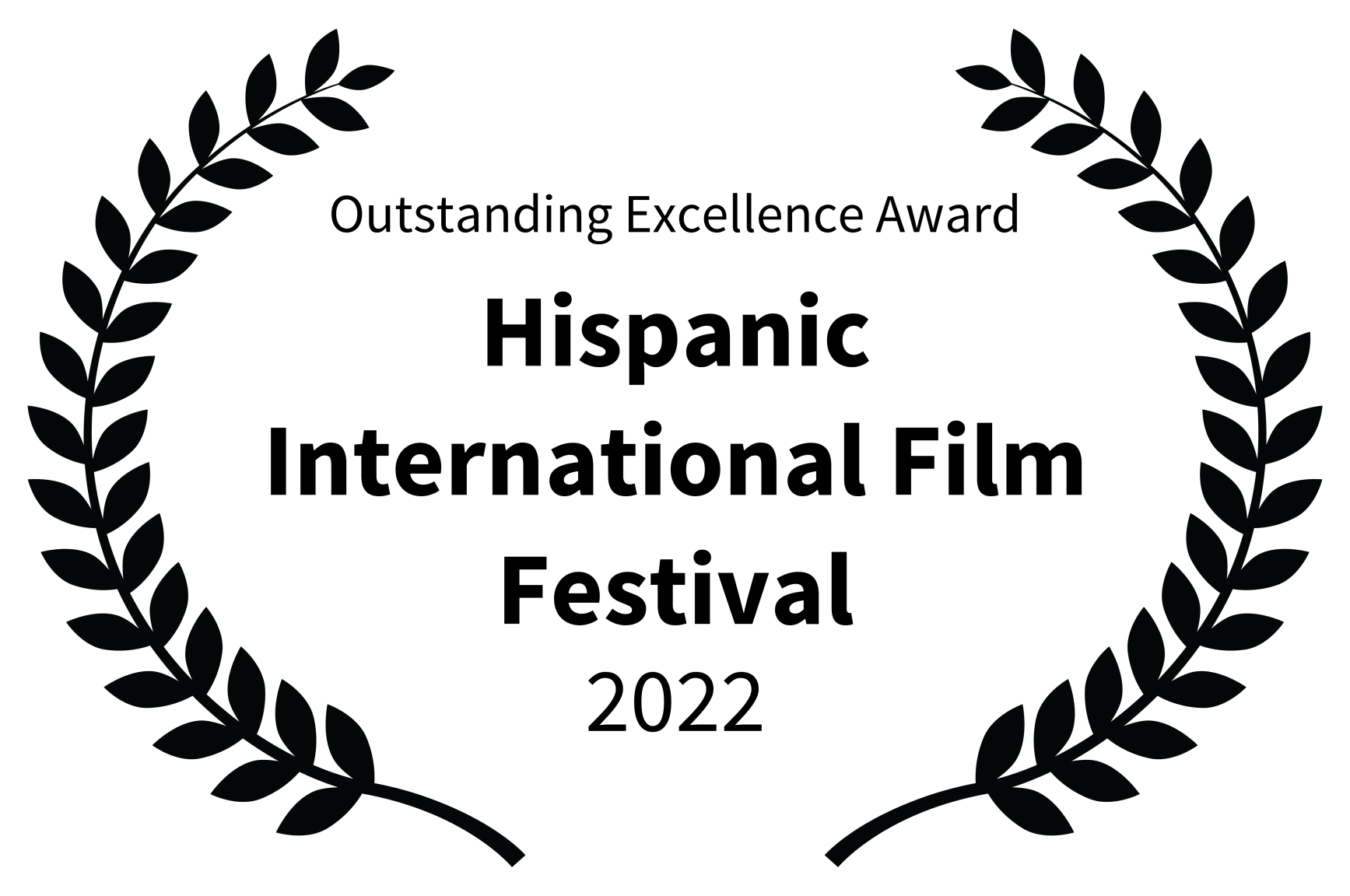
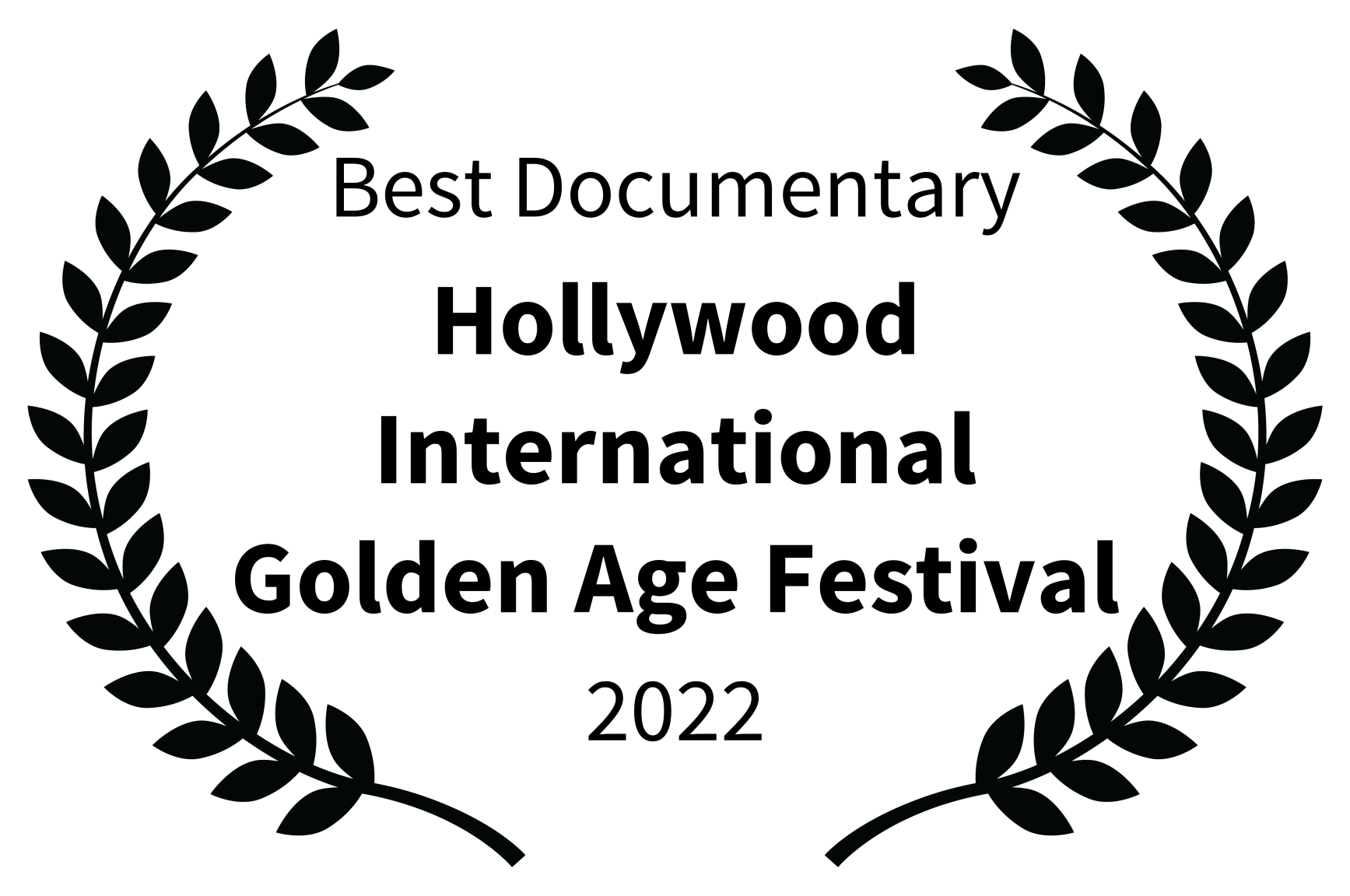
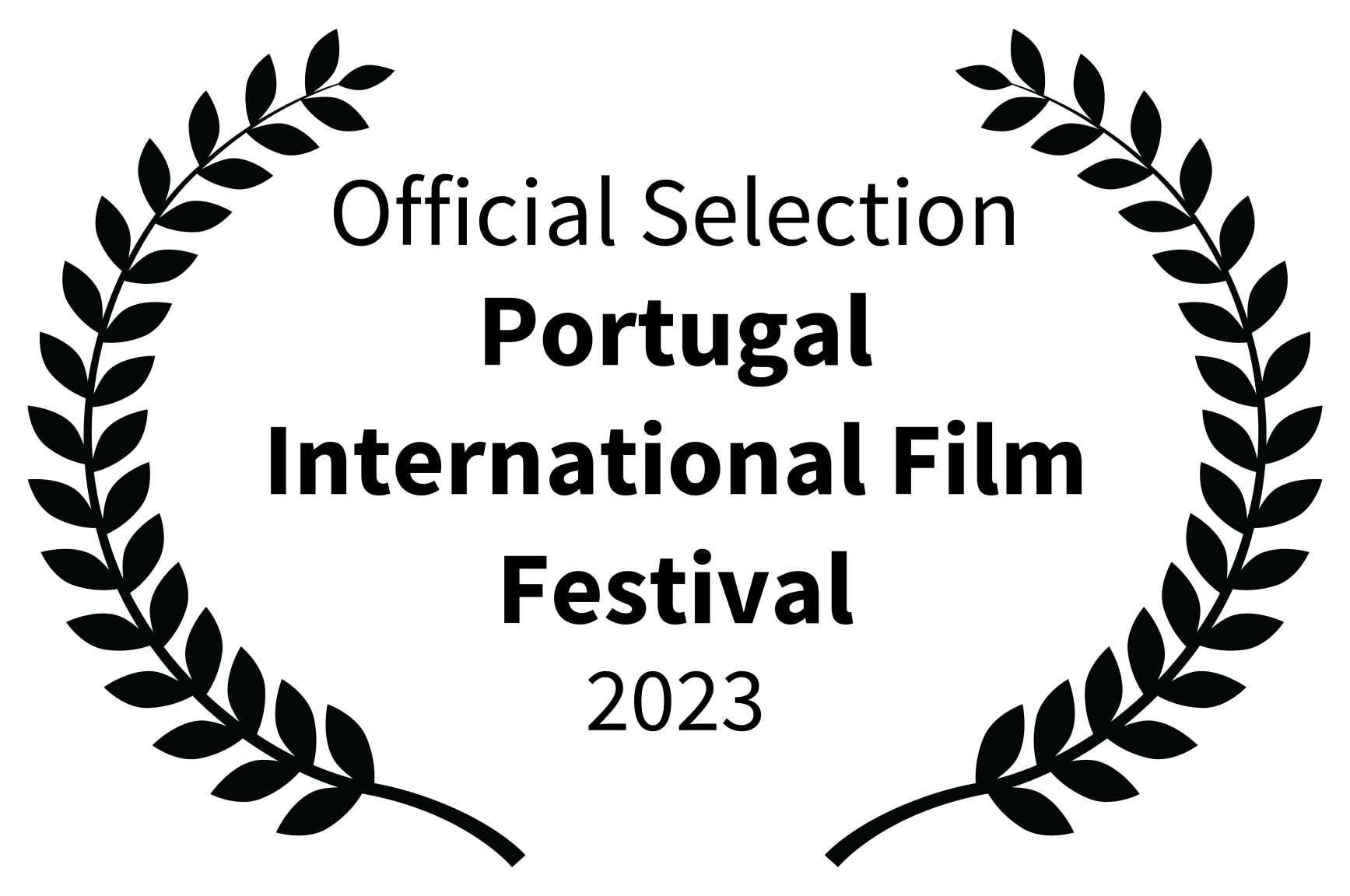
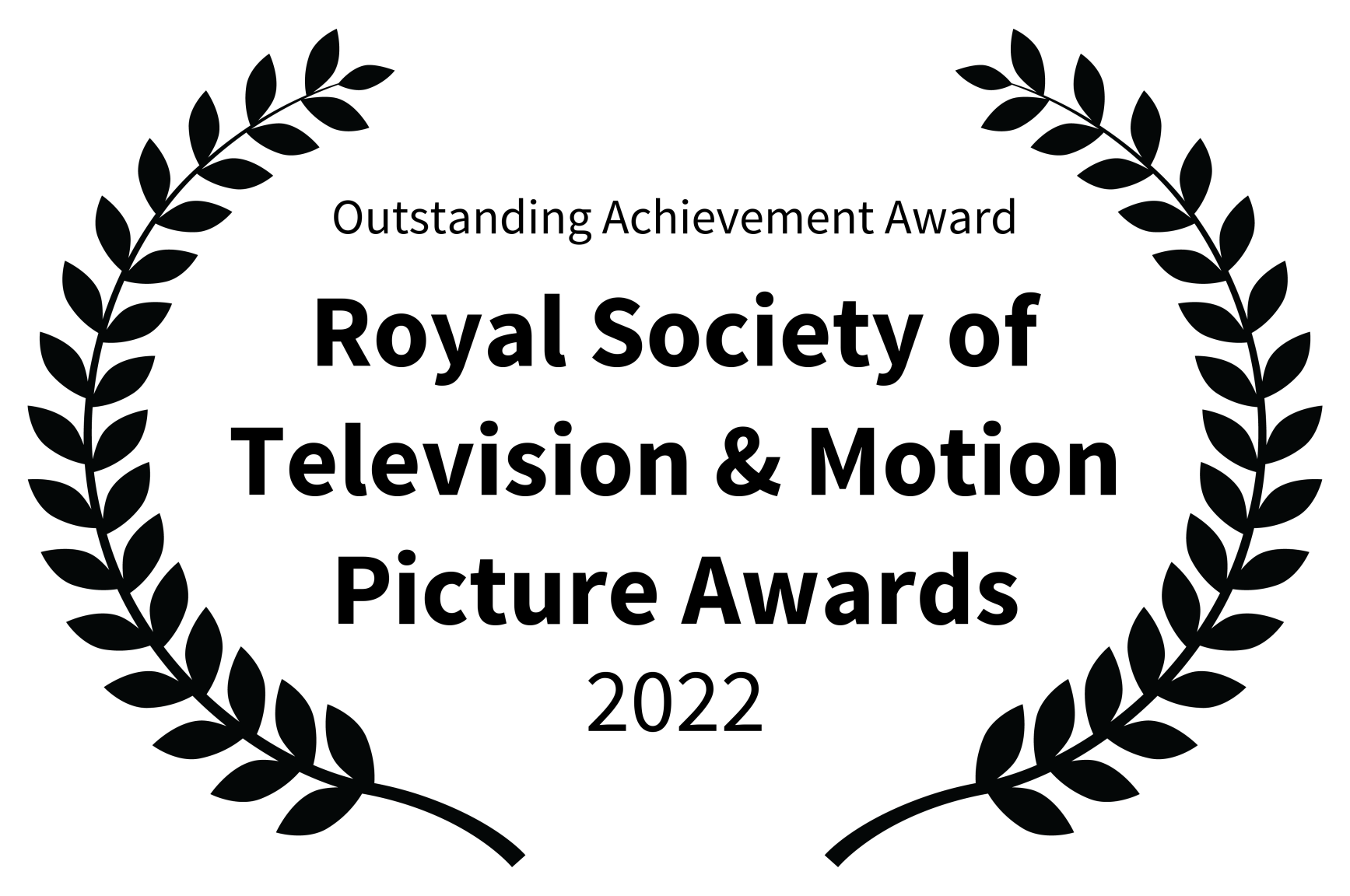
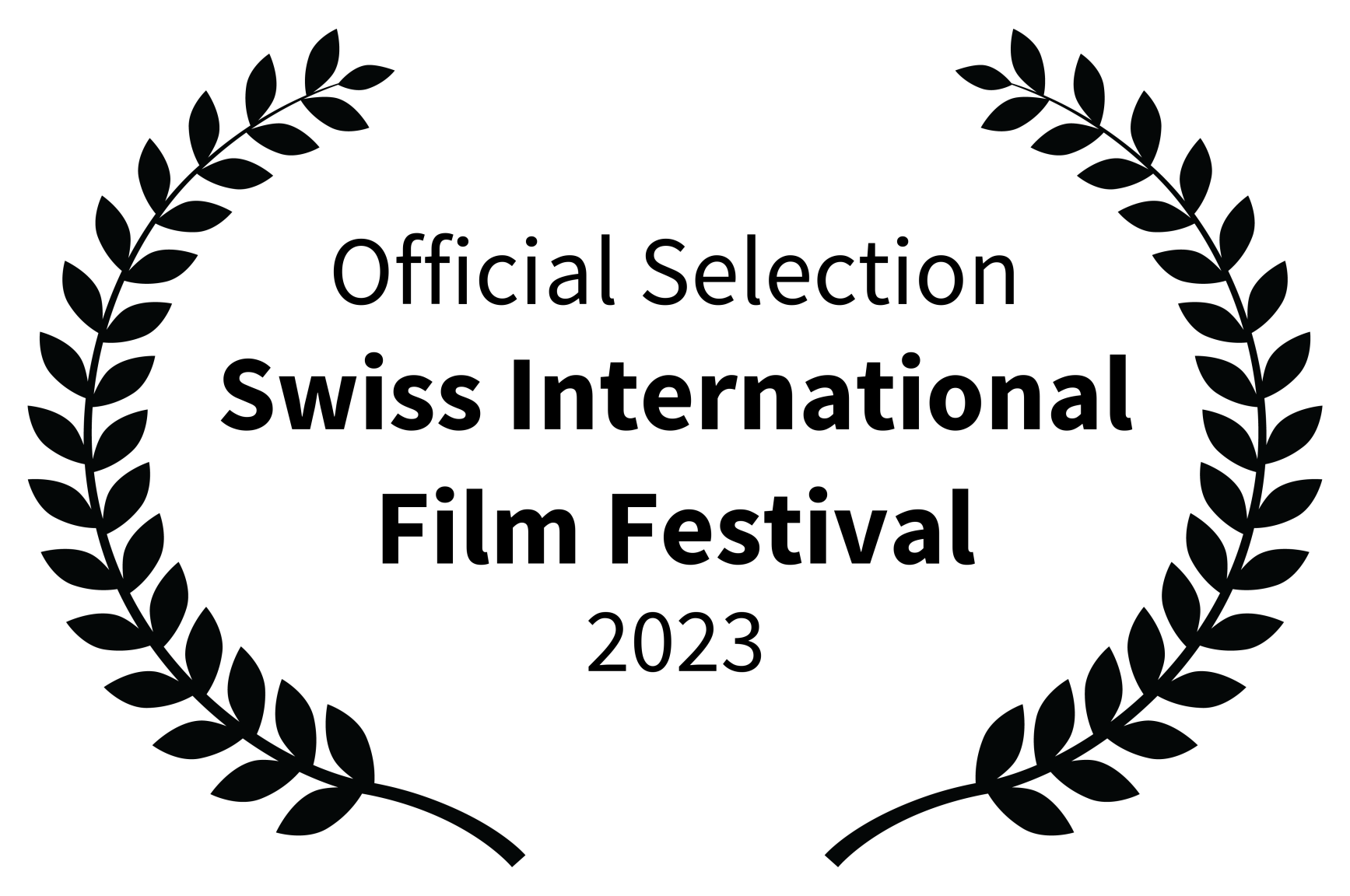
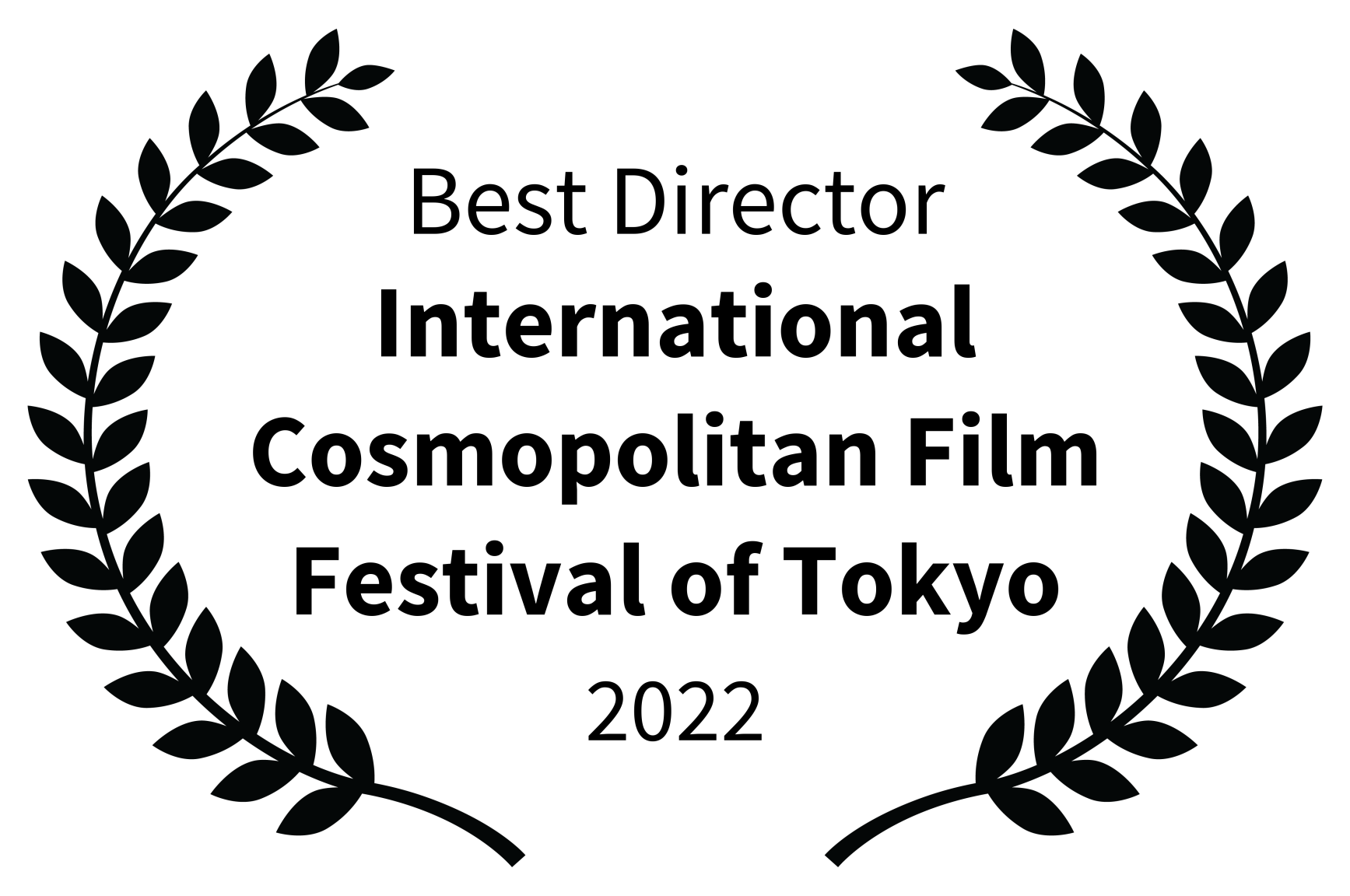
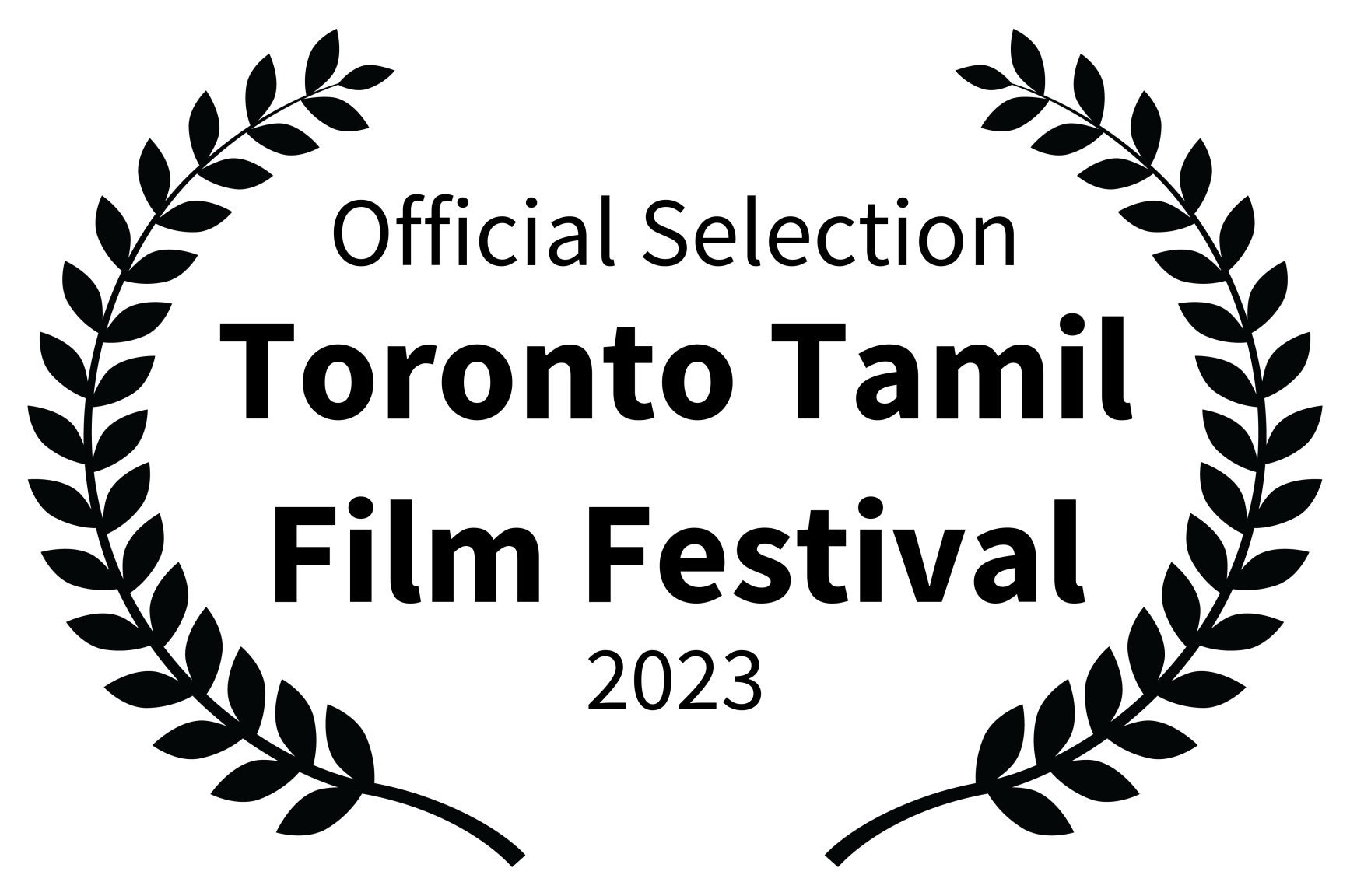
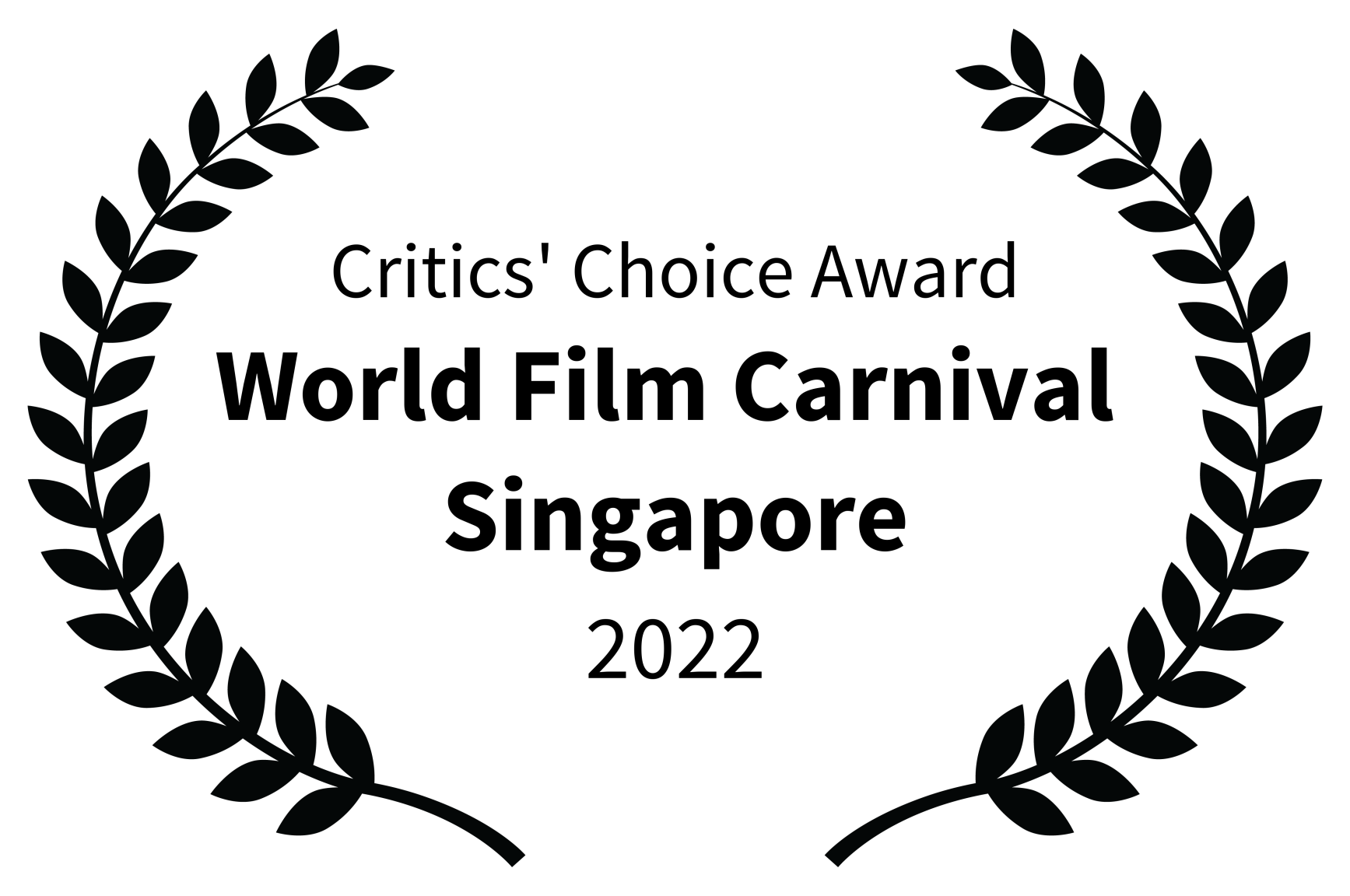
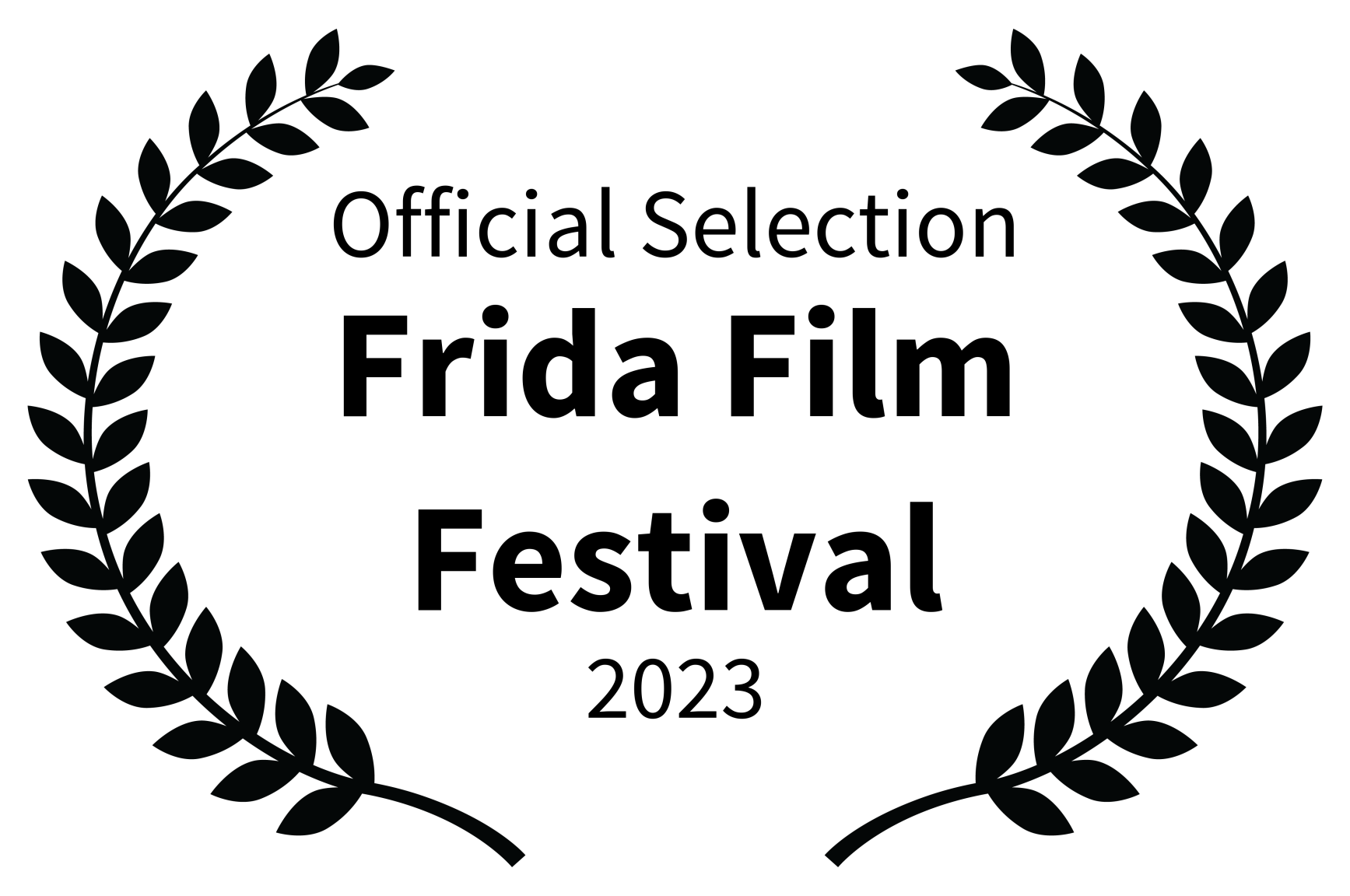
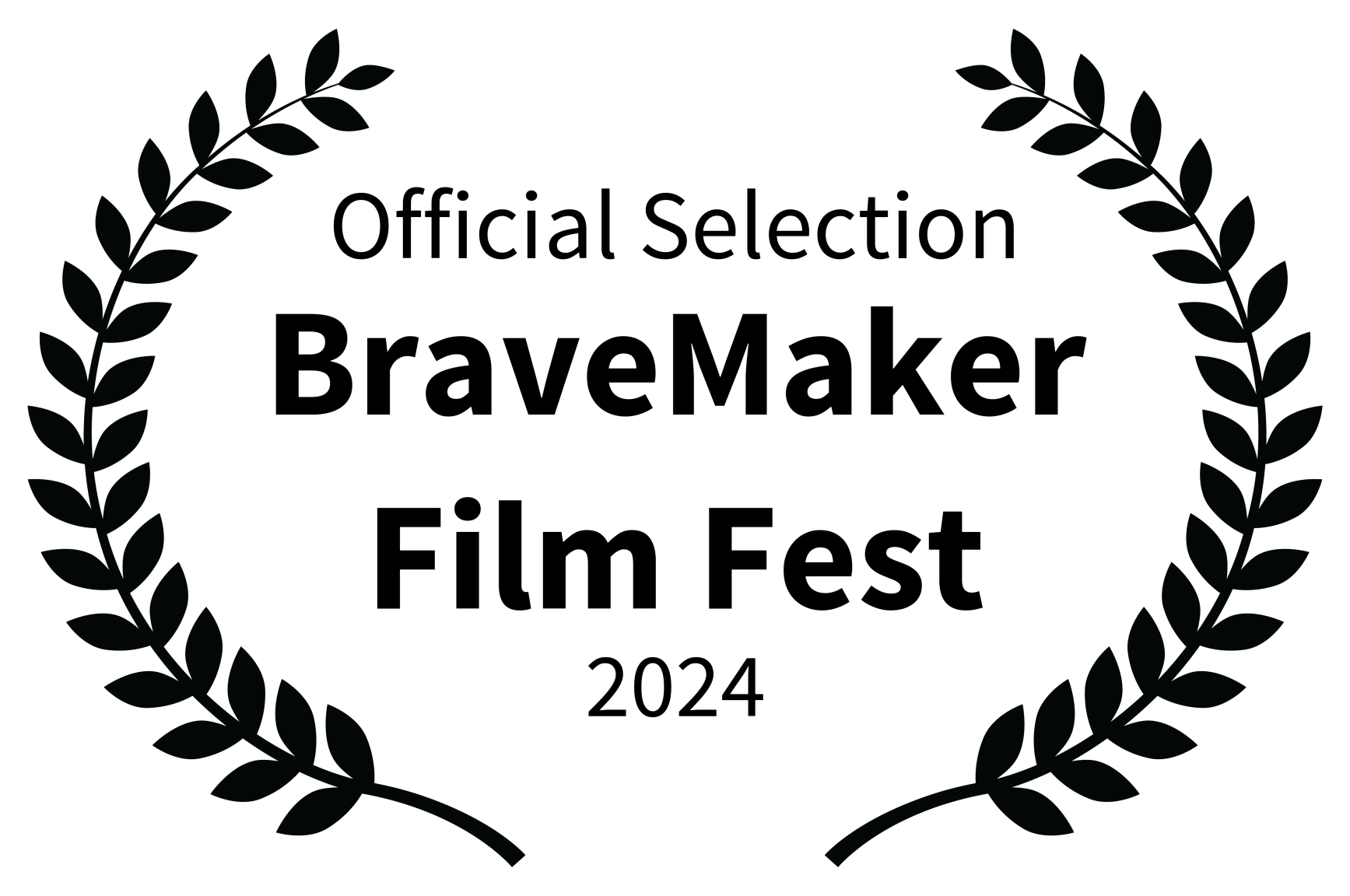
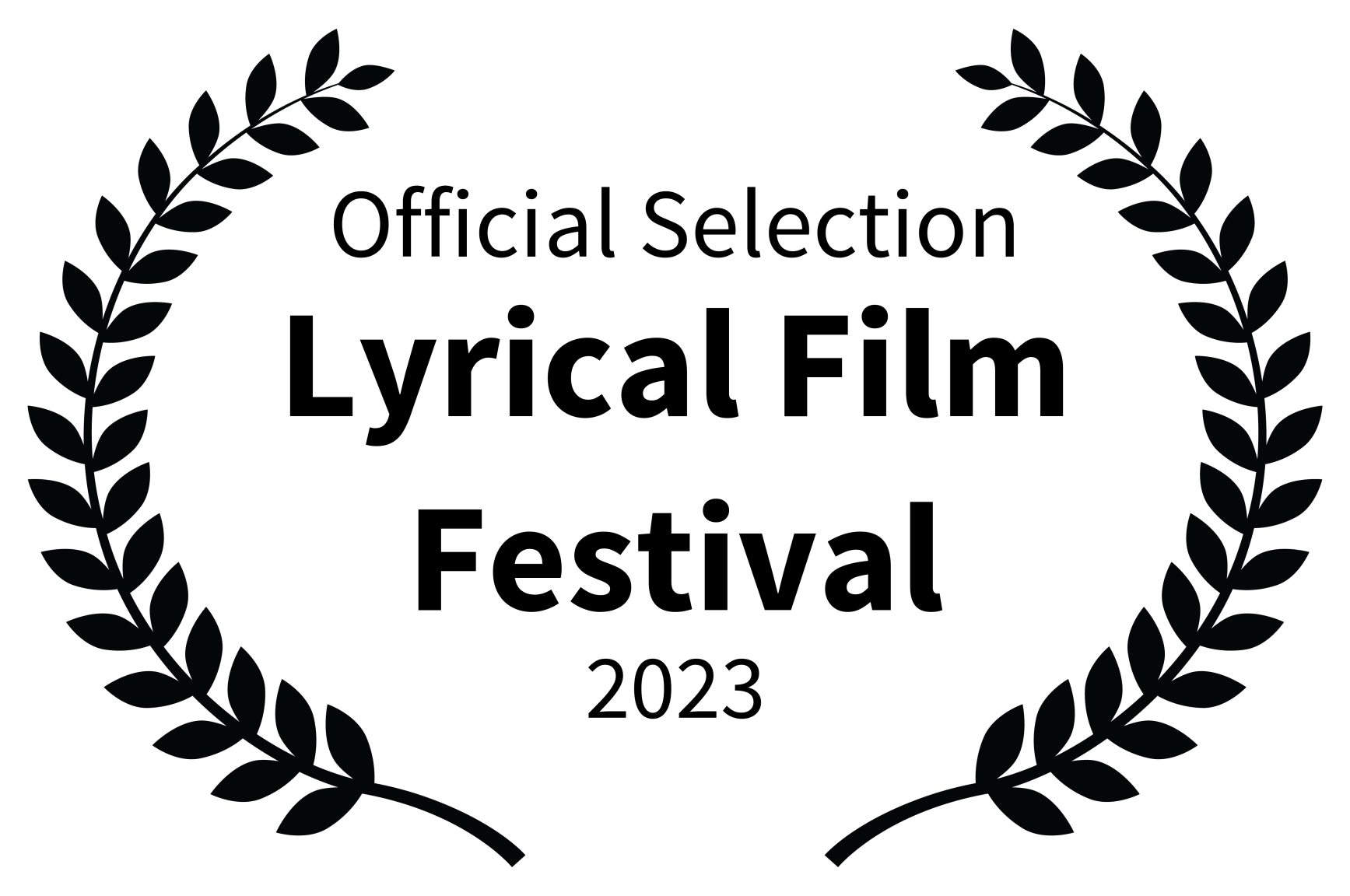
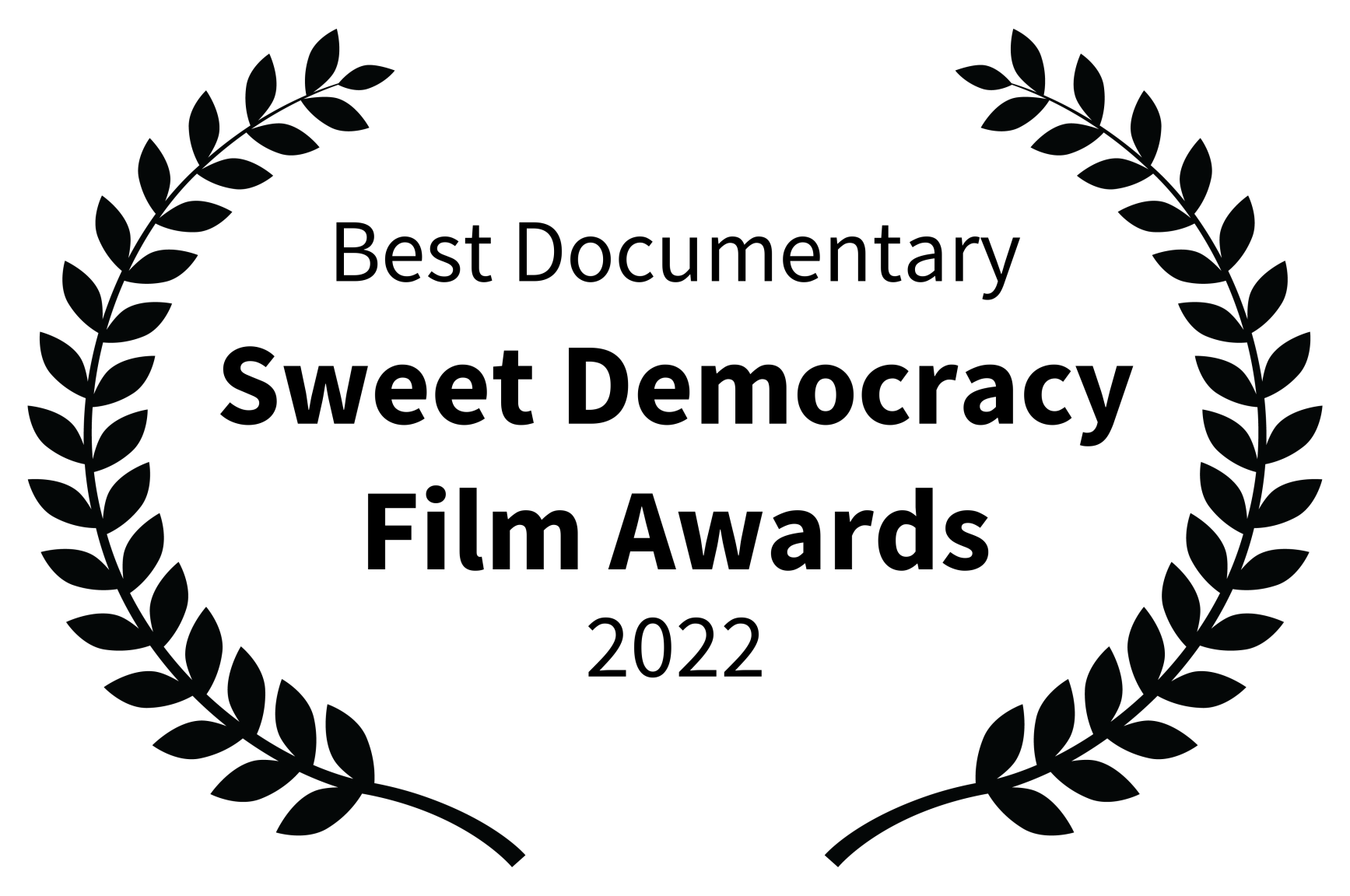
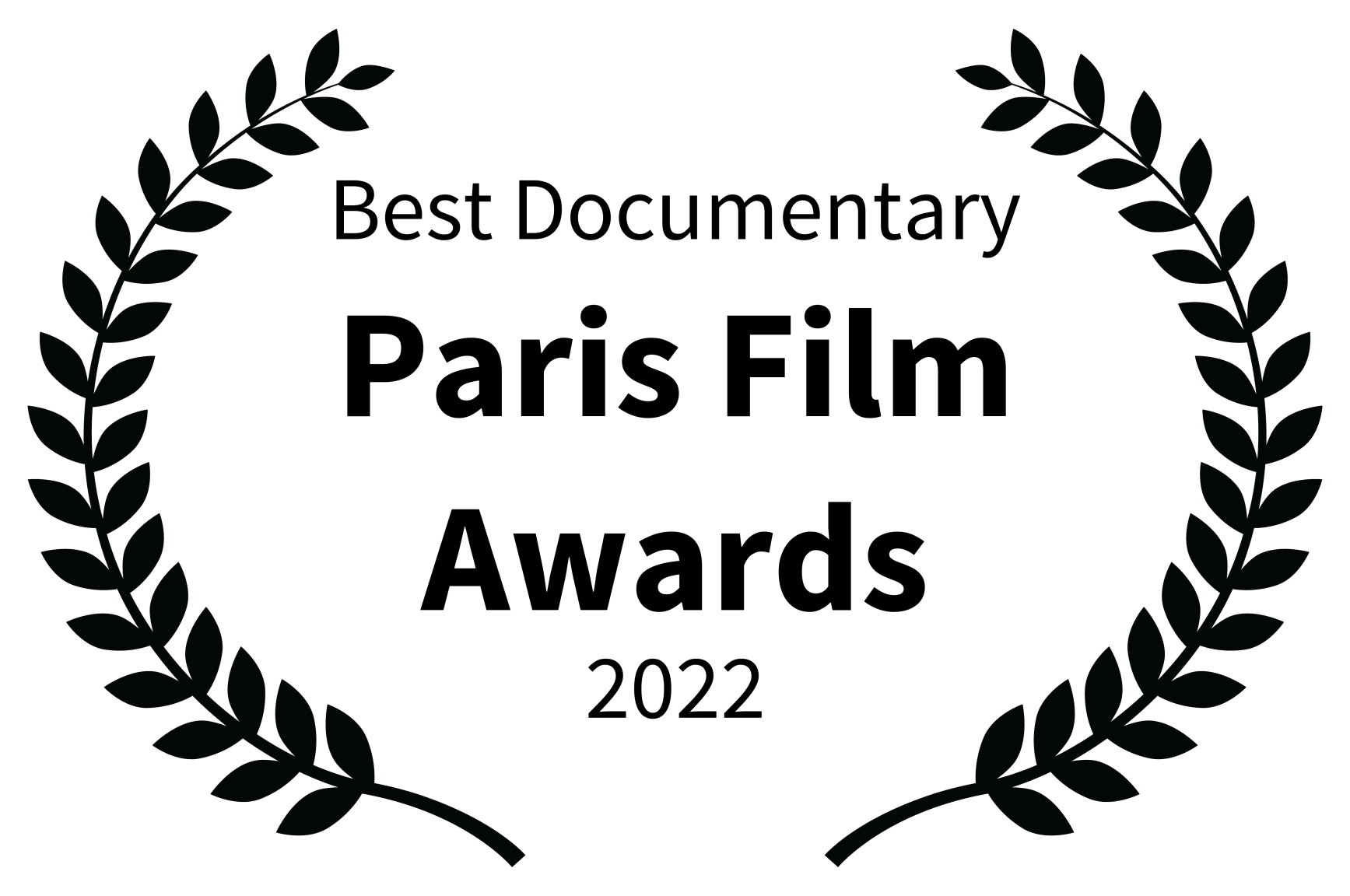
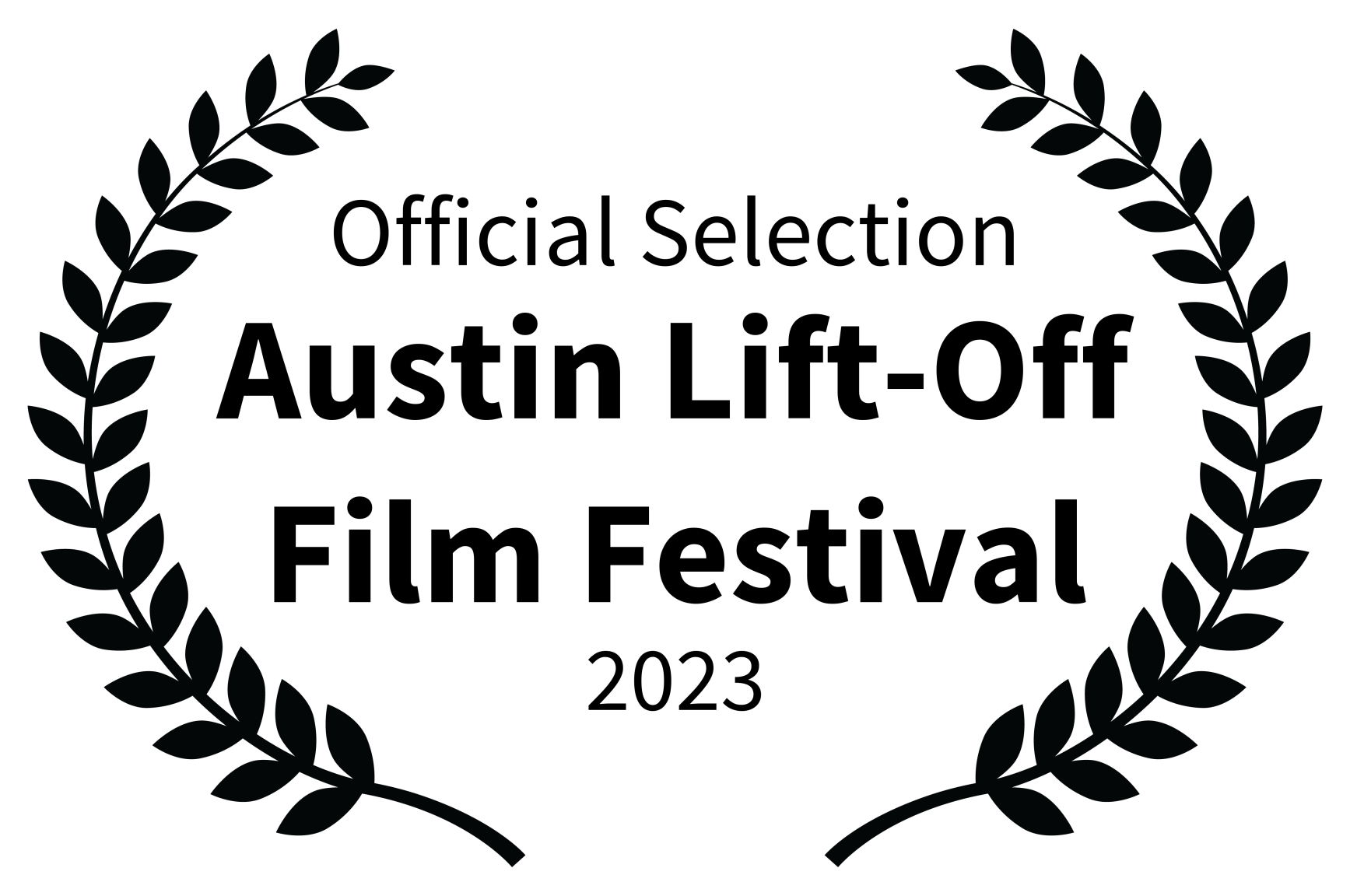
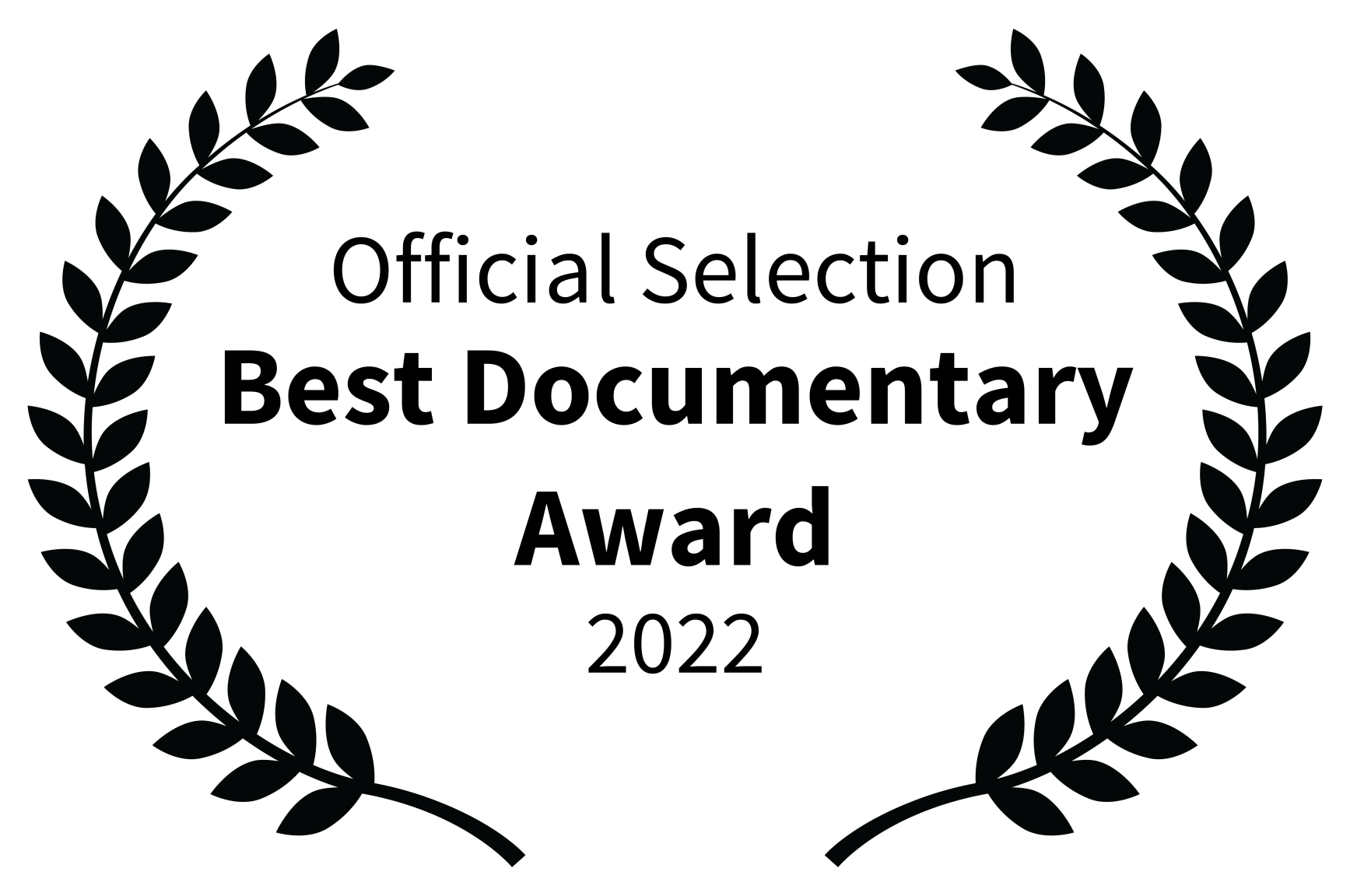
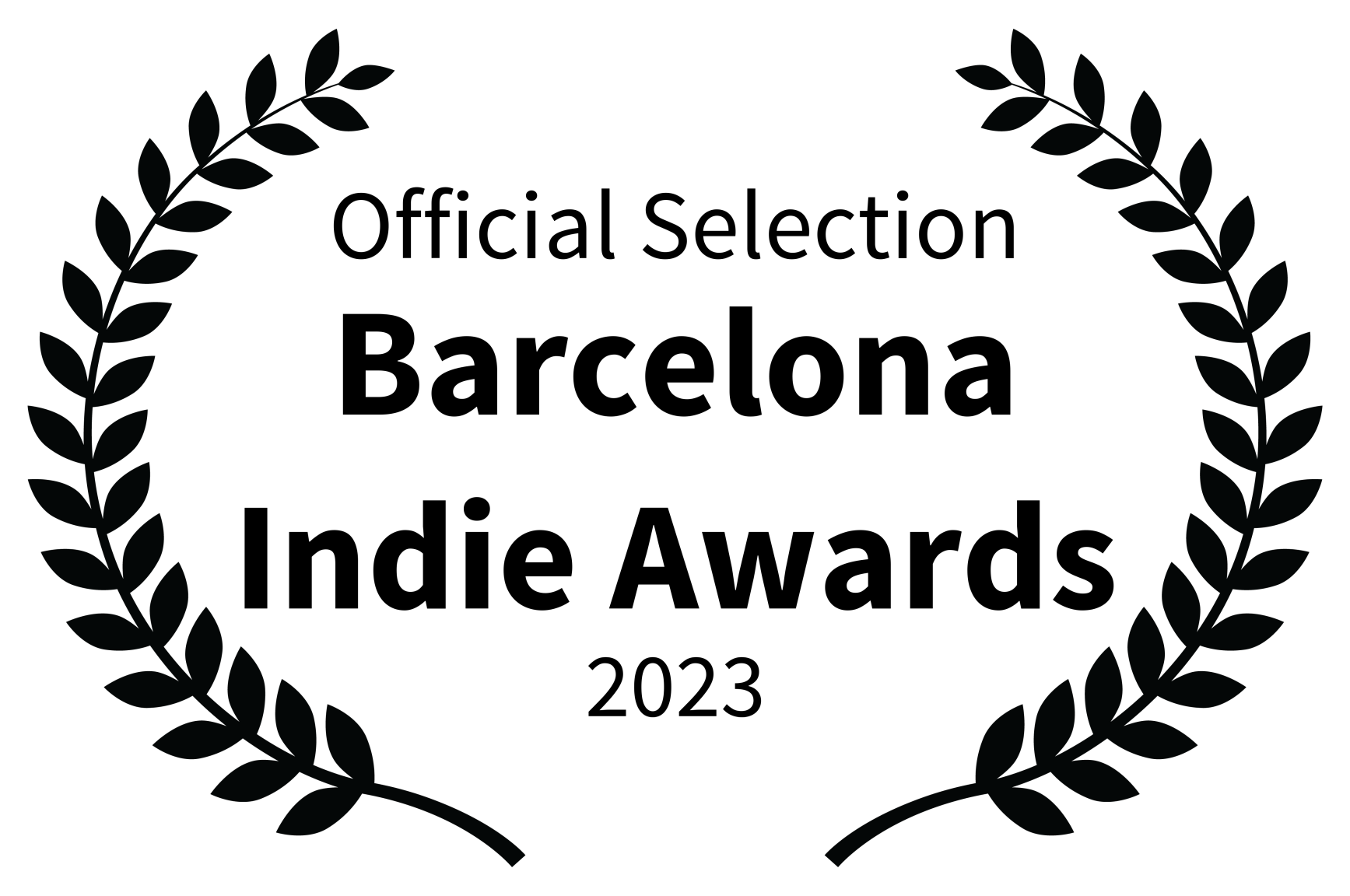
Festival recognition
Official selections and awards from the project’s festival history. Every existing laurel remains here, with its original description.



06 / The story so far
2021-2022
The early project plan documents development and filmmaking around San Francisco and Oakland. The films and portraits became a foundation for the work that followed.
2022-2024
Festival recognition, theater screenings, and educational conversations brought the work to new audiences. The surviving video archive includes Roxie, New Parkway, Chabot, Burton High School, and the 415 Day Experience.
2026
The January 17 Tanforan Open House brought the Re-Entrification exhibition into a San Bruno gathering with art, live music, and community conversation.
Explore the record ↗Historical plans and aspirations, preserved for context. This checklist is not a record that every item was completed, an approved housing development, or the current roadmap.
January 2021-May 2022
Pre-Production and Planning
Filming Re-Entrification: San Francisco (Short Film)
Filming Re-Entrification: Oakland (Short Film)
Post-Production and Complete Short Films
Filming Re-Entrification: A Place We Call Home (Full Length Documentary)
Plan Housing Symposium, Premiere Short Films and Have First Screening of Full-Length Film
October 2023-September 2024
Pre-Production of more 4 Short Films
Re-Entrification: Bayview District
Re-Entrification: Mission District
Re-Entrification: SoMa District
Film Next Re-Entrification Full-Length Documentary
Complete Re-Entrification Soundtrack
Distribute Re-Entrification: San Francisco (Short Film)
Distribute Re-Entrification: Oakland (Short Film)
Screen Mission District at Brava Theater (Completed)
June 2022-September 2023
Book and show at least 10 Screenings with Q&A Discussions
Mix and Master Audio to 5.1 Surround Sound
Submit to Film Festivals
Pitch to Media Outlets
Create Re-Entrification Live Art Exhibit
Show Film and Live Performances at Housing Conferences
November 2024 - Ongoing
Recruit an Advisory Board and Consultants
Acquire Research and Development Funding
Solidify Partnerships in Housing Development and Artist Communities
Capital Campaign for a Down Payment
Research and Find a Plot of Land for an Artist Village
Create Housing for Artists
Permanent Housing
Artist Residency
Archival wording from an earlier stage of the project. These statements are retained as historical material, not current guarantees or a claim that Re-Entrification is an established academic term.
Re-Entrification refers to the process of returning to one’s original neighborhood or community, often after being displaced due to gentrification. It is a concept that has gained popularity in recent years, particularly among communities of color, as a way to reclaim and revitalize their cultural heritage and identity.
Re-Entrification is often seen as a response to gentrification, which is the process of wealthier individuals and businesses moving into a previously low-income or marginalized neighborhood, leading to increased property values and rents, and often resulting in the displacement of long-time residents. Re-Entrification seeks to reverse this trend by empowering local residents to reclaim their community and create a sense of ownership and belonging.
There are several ways that Re-Entrification can happen, including:
Community-led development initiatives: Residents come together to develop and implement projects that benefit the community, such as affordable housing, community centers, and small businesses.
Community land trusts: Residents purchase and hold land collectively, ensuring that it remains affordable and community-controlled.
Cooperative ownership: Residents form cooperatives to own and operate businesses, such as grocery stores, restaurants, and housing developments.
Cultural preservation: Residents work to preserve and celebrate their cultural heritage, including through art, music, and cultural events.
We plan to continue to create space and tell stories originating from a local and narrative context. Provide accessible space for viewership and dialogue.
We eventually would like to transition from film to physically doing the work of tangible change with creating consistent ahd stable housing, specifically for artists and long time community members that were priced out due to gentrification.
07 / The next chapter
Years of filmmaking, gatherings, artistic collaboration, and place-based storytelling have opened a longer horizon: preserve memory, return to places over time, and imagine alternatives together.
Re-Entrification is evolving into a sustained cultural storytelling practice. The next chapter builds on the work already here.
How Re-Entrification works
Film, photography, interviews, oral histories, and neighborhood research.
Protect stories, images, cultural materials, and community memory.
Support artists interpreting home, land, displacement, culture, and belonging.
Bring people together through screenings, exhibitions, performances, and conversation.
Revisit documented people and places to understand what changes over time.
Explore possibilities for creative space, cultural preservation, community ownership, and belonging.
A future documentary practice
Time gives this project another way to listen.
The next chapter proposes returning to previously documented people and places to discover what has changed.
Who remained?
Who left?
What survived?
What does home mean now?
Revisiting these experiences can build a cultural record across years. New interviews and productions will depend on participant consent, resources, and the relationships that make this work possible.
In development / Community Memory Archive
The long-term vision is a living Re-Entrification Community Memory Archive: films, oral histories, photographs, neighborhood footage, artwork, poetry, music, flyers, and community records.
As materials are digitized and verified, the archive can connect people, places, years, themes, and media. The existing film and portrait collections are its starting points.
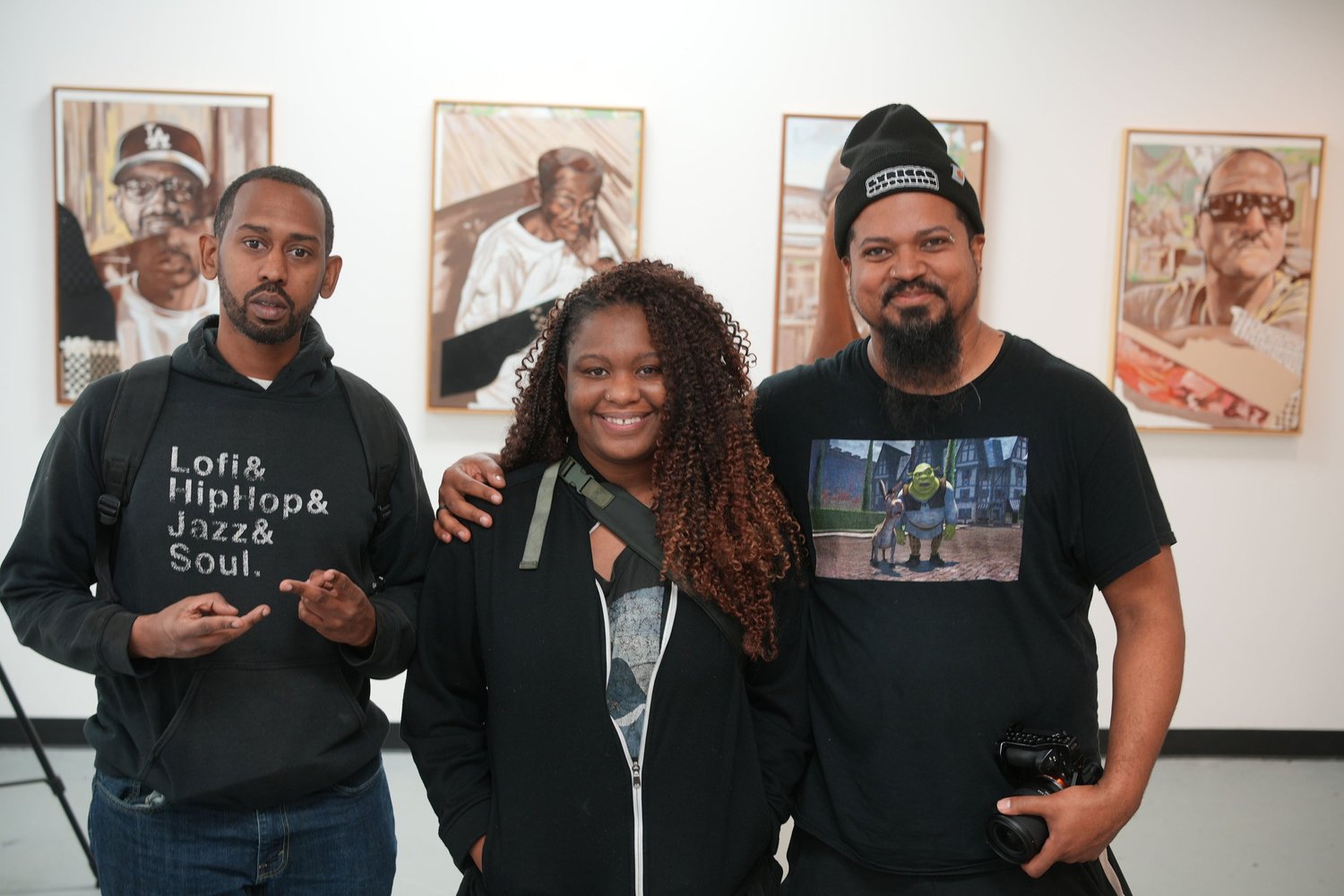
An open house at Tanforan brought the Re-Entrification exhibition, live music, and community together on January 17, 2026.
Explore the exhibition story ↗08 / Impact + evidence
Today, the evidence lives in the films, portraits, screening records, festival recognition, exhibition documentation, and relationships represented on this page.
We are strengthening how that work is measured: artists supported and compensated; films and creative works; screenings, exhibitions, and conversations; audiences and participants; places documented; and archival materials preserved.
Verified results will be added as the historical record is reviewed. Community testimony and participant perspectives belong alongside the numbers.
09 / Proposed direction
A sequence of goals, not a funded production schedule. Each chapter depends on community participation, resources, partnerships, and organizational capacity.
Build the living archive.
Organize and digitize films, footage, interviews, photographs, research, and project materials. Develop the Community Memory Archive and begin Return through appropriate new interviews and revisits. Continue screenings and conversations, explore multidisciplinary exhibitions, and strengthen impact measurement and archival infrastructure.
Artists respond to place.
Develop paid artist commissions where funding permits, inviting responses through film, music, poetry, photography, visual art, dance, performance, writing, and installation. Present work publicly while continuing the archive and Return documentation.
A Bay Area conversation.
Explore a major gathering, exhibition, symposium, or multidisciplinary public experience connecting artists, residents, cultural workers, historians, housing advocates, researchers, and community organizations. Bring film, art, archives, performance, research, and lived knowledge into conversation about home and the future.
From documentation to possibility.
Research artist live/work models, affordable creative space, community land trusts, cooperatives, cultural districts, community ownership, and housing partnerships. Develop case studies, feasibility conversations, and potential pilot concepts. These are exploratory ideas, with no commitment to build housing in 2030.
A long-term vision, shaped with community.
Explore artist residencies, cultural space, live/work opportunities, land stewardship, Artist Village concepts, and partnerships connecting arts, housing, culture, and community development.
Any physical development would require community participation, feasibility, funding, capacity, appropriate partnerships, governance, site control, legal structure, and long-term sustainability. No physical development is represented here as approved or funded.
A project within a larger creative community
Re-Entrification remains a project. Lyrical Opposition’s ongoing programs can provide pathways that support its learning, creative development, gathering, and storytelling.
Public presentation can connect through LO events; deeper artist investment may connect with Lyrical AIR where appropriate.
10 / Sustaining the work
Protect cultural materials and support filmmakers, photographers, oral historians, researchers, and community storytellers.
Compensate creative labor and make room for new films, performances, writing, music, photography, and interdisciplinary work.
Revisit communities over time and keep screenings, exhibitions, and conversations accessible.
Explore cultural-space alternatives and sustain the people, systems, archival technology, and partnerships needed for long-term work.
For individual supporters
Help preserve stories, compensate artists, and create space for what comes next.
Your support helps Lyrical Opposition sustain cultural storytelling and community experiences, including the work represented by Re-Entrification.
Support Re-EntrificationContinue to Lyrical Opposition’s donation page for one-time or monthly giving. To discuss project-specific funding, use the partnership inquiry below.
For funders + institutional partners
Foundations, cultural institutions, community organizations, public agencies, universities, businesses, and housing or community-development partners: tell us what you’re imagining. A formal proposal is not required.
Bring it to your community
Bring Re-Entrification into a community organization, school, university, cultural institution, film organization, conference, museum, faith community, or public agency.
A screening can open space for conversation or a Q&A where appropriate. Format, availability, participants, travel, and budget are discussed for each invitation.
We are open to partnerships, collaborations, booking film screenings and discussions. Let’s continue the dialogue on housing and arts.
Book a Screening or Partner With UsFor screenings, partnerships, and collaborations, email lyrical@lyrical.co or call 415-650-4415. The email link opens your email app.

11 / Ways to participate
Explore the films, screenings, and project media.
Explore the work ↗Start a conversation about hosting a screening or related experience.
Book a screening ↗Donate, fund, sponsor, or explore an institutional partnership.
Support the work ↗What should exist in its place?
Neighborhoods continue to change. Artists continue to create. Communities carry memories of what came before while imagining what might come next.
Re-Entrification intends to keep listening, documenting, preserving, creating, gathering, and returning.